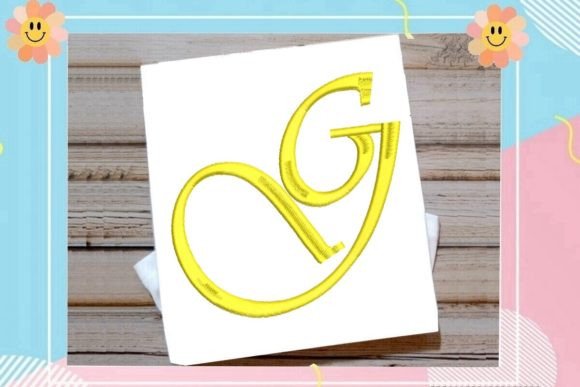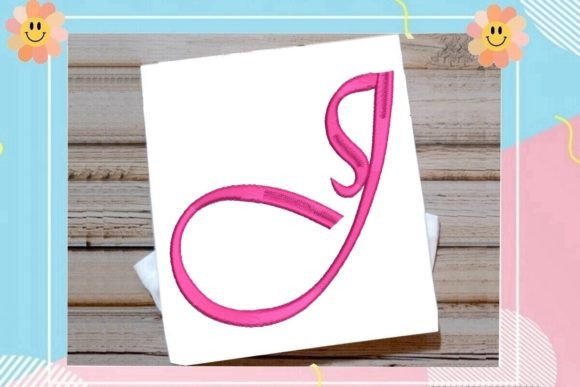
Review: A One Line Beautiful Letter for Modern Stitching
As a designer who spends more time staring at stitch simulations than I do sleeping, I am always skeptical of "minimalist" trends in the machine embroidery design world. Often, what looks sleek on a screen turns into a bird's nest of thread breaks and puckering on actual fabric. However, after spending some time evaluating A One Line Beautiful Letter, I found myself genuinely intrigued by its potential for high-end, boutique applications. This isn't just another alphabet pack; it is a specific stylistic choice that demands respect for the medium of thread.
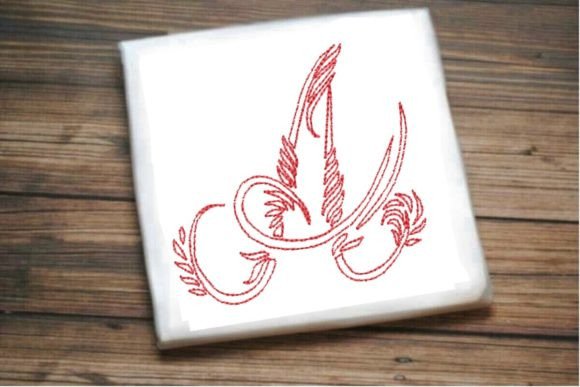
The first impression of this design is one of fluidity. Unlike traditional block monograms or heavy satin-stacked initials, this piece relies entirely on the confidence of a single, continuous path. The visual personality is undeniably modern, leaning heavily into the contemporary aesthetic that dominates current wedding stationery and lifestyle branding. For those of us creating Wedding Monogram collections, this offers a refreshing alternative to the ornate, Victorian-style scripts that have saturated the market for decades. It feels less like "decoration" and more like "signature," which is a powerful distinction when marketing to clients who want understated elegance.
Real-World Application: The Tote Bag Test
To truly understand the value of an embroidery file, you have to move beyond the digital preview and imagine the finished product. I mentally placed A One Line Beautiful Letter onto a heavy canvas tote bag, a staple item for many Etsy sellers and craft fair vendors. In this scenario, the design shines. The continuous line mimics the look of hand-drawn ink, giving the handmade product an artisanal feel that mass-produced vinyl cannot replicate.
Imagine a bride requesting personalized gifts for her bridal party. Instead of generic names, she wants a subtle initial on a linen napkin or a silk robe. Here, the design's lack of dense fill stitches becomes a major asset. Heavy fill stitches can make delicate fabrics like silk or fine linen stiff and uncomfortable. Because A One Line Beautiful Letter likely utilizes a running stitch or a very narrow satin column, it maintains the drape of the fabric. This is crucial for custom apparel where comfort is as important as aesthetics. The result is a personalized gift that feels luxurious rather than industrial.
Navigating Fabric Textures and Challenges
While the design is stunning, a professional reviewer must address the limitations. Minimalist designs are unforgiving. When you remove the bulk of a fill stitch, you also remove the ability to hide imperfections in the fabric texture. If you attempt to stitch this on a highly textured towel or a fuzzy fleece sweatshirt, the continuous line may get lost or appear jagged. The "one line" concept relies on clarity; if the fabric fights back, the legibility of the letter suffers.
Furthermore, caution is required when working with stretchy knits or dark fabrics. On a black hoodie, a single line of white thread creates high contrast, which is beautiful, but it also highlights any tension issues immediately. There is no dense stitching to anchor the design firmly against the pull of the garment during wear. For sweatshirt embroidery or baby embroidery projects where items undergo frequent washing and stretching, the choice of stabilizer becomes critical. A cut-away stabilizer would be my strong recommendation here to prevent the design from distorting over time, ensuring the finished product retains its professional look after multiple laundry cycles.
Commercial Viability and Brand Consistency
For small shop product owners and creative entrepreneurs, consistency is key to building a recognizable brand. A One Line Beautiful Letter offers a cohesive look that can tie together a diverse inventory. Whether you are selling embroidered patches, aprons, or pillow covers, using this specific style across different items creates a unified collection. It signals to the buyer that there is a deliberate design language at play, which increases perceived value and customer trust.
In the realm of commercial embroidery, speed is often money. Designs with less stitch count generally run faster. While I cannot confirm the exact stitch count without the technical specs, the nature of a single-line design suggests it will be quicker to stitch out than a traditional filled monogram. This efficiency allows for higher throughput on custom orders without sacrificing the "hand-crafted" appeal. For an Etsy seller managing holiday rushes, this efficiency can be the difference between fulfilling orders on time or falling behind.
Technical Considerations for the Maker
Before committing this design to a client project, there are several practical steps every designer should take. First, always test the design on scrap fabric that matches your final material. Pay close attention to the corners. In continuous line art, sharp turns can sometimes cause thread bunching if the machine's tension isn't perfectly calibrated. Inspect these small details closely; a messy corner ruins the illusion of a seamless stroke.
Thread color choice is another variable that dramatically affects the outcome. Because the design is so sparse, the thread color carries the entire visual weight. High-contrast combinations work well for bold statements, while tonal threading (e.g., navy thread on a black shirt) can create a subtle, textural effect that catches the light differently. I also recommend reviewing the design in a black-and-white mockup to ensure the shape remains recognizable without the aid of color.
Additionally, verify the hoop size requirements. While minimalist designs often fit in smaller hoops, ensure that the scaling does not compromise the integrity of the line. If the design is resized too small, the gaps in the letter may close up, or the line may become too thin to stitch reliably. Always check the licensing terms provided with the digital embroidery file. Some designers allow unlimited sales of finished physical goods but restrict the resale of the file itself or its use in print-on-demand services. Confirming these details protects your craft business from legal complications.
Ultimately, A One Line Beautiful Letter is a versatile tool for the modern maker. It bridges the gap between digital precision and organic flow. When used with intention on appropriate materials, it elevates simple items into cherished keepsakes. It is not a universal solution for every fabric or project, but for the right application—particularly in the wedding and boutique sectors—it is an exceptional asset that delivers sophistication with every stitch.