Cute Dolphin Embroidery Review: A Designer's Take
As an embroidery designer who spends countless hours digitizing and stitching for clients, I am always on the lookout for machine embroidery design files that balance whimsical charm with technical reliability. Recently, I came across the Cute Dolphin listing in the Marine Mammals category on Creative Fabrica. Before committing to a large batch of custom apparel or adding it to my Etsy shop inventory, I needed to evaluate whether this digital embroidery file could hold up under real-world production conditions. This review breaks down the visual appeal, practical application, and commercial potential of this specific design.
First Impressions and Visual Mood
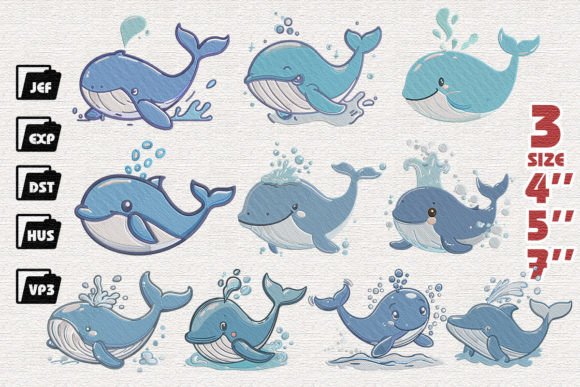
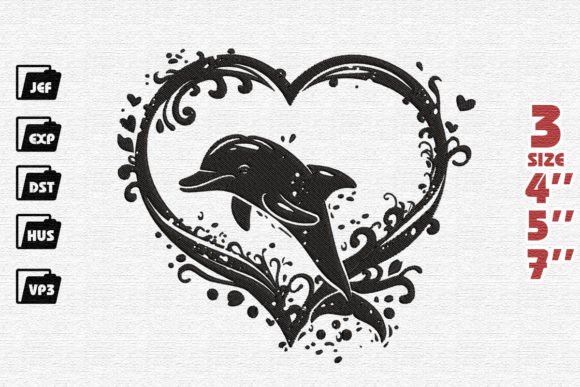
The first thing that strikes you about Cute Dolphin is its undeniable playfulness. In a market saturated with generic ocean themes, this design manages to capture a specific "kawaii" aesthetic without losing the recognizable silhouette of the animal. The visual mood is light, airy, and inviting, making it an instant candidate for projects targeting children, summer-themed collections, or coastal boutique merchandise.
From a designer's perspective, the line work appears clean. Whether the design utilizes a classic satin stitch for the outline or a textured fill stitch for the body, the transition between colors seems smooth. For those of us who appreciate the nuance of an applique design, this motif offers excellent potential for layering fabrics, though it stands strong as a standard stitched piece. The decorative appeal lies in its simplicity; it does not overcomplicate the subject matter, which is crucial when stitching on smaller items like baby onesies or caps where too much detail can turn into a muddy mess.
Real-World Application Scenarios
When evaluating a new asset, I immediately visualize it on actual products. Cute Dolphin is versatile enough to serve as the centerpiece for a variety of handmade product lines. Here is how I see it performing in a professional setting:
- Custom Apparel: This design is perfect for sweatshirt embroidery. Placed on the left chest or as a larger back print, it adds a fun element to casual wear. It would also work beautifully on t-shirts for family beach vacations.
- Tote Bags and Aprons: The whimsical nature of the dolphin makes it an ideal tote bag design for grocery shoppers or library bags. Similarly, stitching this onto a kitchen apron creates a charming gift for home cooks who love the sea.
- Nursery Decor: For parents expecting a baby, this fits perfectly into a nautical nursery theme. Imagine it stitched onto a pillow cover, a baby blanket, or even a wall hanging.
- Patches and Accessories: If you run a shop selling embroidered patch es, this motif is small enough to be hooped efficiently yet detailed enough to sell as a standalone iron-on or sew-on patch.
- Seasonal Gifts: As a personalized gift, adding a name in a complementary font below the dolphin creates a high-value item for birthdays or baby showers.
Technical Considerations for Production
While the aesthetics are promising, a professional review must address the technical realities of stitching. Every embroidery file behaves differently depending on the substrate. Here are the critical factors to consider before running a production order with Cute Dolphin:
Fabric Texture and Stretch: Marine themes often end up on towels or stretchy knit fabrics. Towels have a looped texture that can swallow small details. If this design has fine running stitch elements, they might get lost on a high-pile towel. Conversely, on stretchy sweatshirt fleece, the stitch density becomes paramount. If the fill is too dense, it can cause the fabric to pucker or the garment to lose its drape. Always test on scrap fabric that matches your final material.
Hoop Size and Placement: One of the advantages of cute, compact designs is that they often fit into smaller hoops. This is a significant benefit for cap embroidery, where the curved surface limits the available stitching area. However, you must confirm the specific hoop size requirements listed on the product page. Trying to force a design into a hoop that is too tight can lead to registration errors.
Thread Color Contrast: The success of this design relies heavily on your thread choices. On dark fabrics, such as navy blue hoodies, you will need high-contrast thread colors to make the dolphin pop. On light fabrics, you might opt for tonal stitching for a subtle, premium look. Always compare light and dark fabric mockups before finalizing your product photography.
Stabilizer Selection: Never skip the stabilizer. For items that need frequent washing, like kitchen towels or children's clothes, using the correct cut-away or tear-away stabilizer is non-negotiable. This ensures the Cute Dolphin retains its shape and does not distort after the first wash cycle.
Impact on Brand Value and Sales
In the world of commercial embroidery and Etsy selling, the quality of your design assets directly influences buyer trust. A well-executed design like Cute Dolphin enhances your finished product by providing a polished, professional look. Customers are drawn to cohesive branding; if your shop specializes in ocean-inspired goods, this design helps maintain brand consistency.
Furthermore, the visual appeal of the design affects your product photography. A cute, clear motif photographs well for printable mockup s and social media posts, driving higher customer engagement. When a customer sees a crisp, well-stitched dolphin on a sample photo, they perceive higher value in the item, justifying a better price point for your handmade goods.
Final Verdict and Best Practices
The Cute Dolphin from Creative Fabrica appears to be a solid addition to any embroidery designer's library, particularly for those focusing on gifts, baby items, and casual apparel. Its strength lies in its adaptability and charming aesthetic. However, as with any Creative Fabrica embroidery purchase, due diligence is required.
Before launching a full product line, I strongly advise the following steps:
- Check File Details: Verify the available formats (PES, DST, EXP, etc.) to ensure compatibility with your specific machine.
- Review Licensing: Carefully read the license terms on the product page. Ensure that commercial use is permitted if you plan to sell finished items.
- Inspect Small Details: After your test stitch, inspect the eyes and fins closely. These small areas often reveal issues with jump stitches or trimming.
- Confirm Stitch Count: While not always listed, understanding the approximate stitch count helps in pricing your labor accurately.
In conclusion, if you are looking to expand your catalog of Embroidery designs with something that speaks to the joy of the ocean, Cute Dolphin is worth considering. Just remember that the key to a successful custom apparel business is not just the design itself, but how well you execute it on the right materials with the proper techniques.