Chihuahua Dog Ears: A Designer's Review for Real Projects
As someone who spends more time staring at stitch maps than most people care to admit, I approach every new machine embroidery design with a mix of excitement and skepticism. We've all been there: you buy a cute file, load it onto your machine, and halfway through the run, you realize the density is going to turn your fabric into cardboard or the details are too tiny for the thread to capture. That is why I took a close look at the Chihuahua Dog Ears design before committing it to a client project. This isn't just about whether the image is cute; it is about whether it holds up under the needle and delivers value to the end user.
First Impressions: Mood and Visual Personality
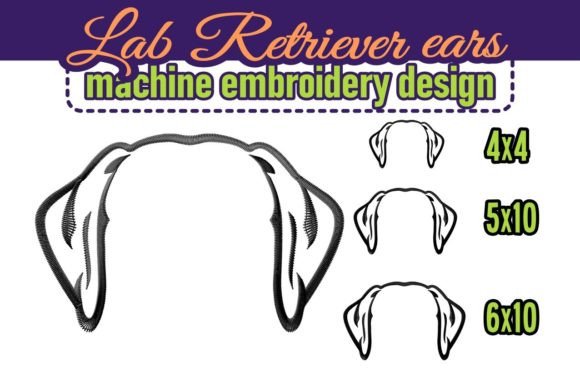
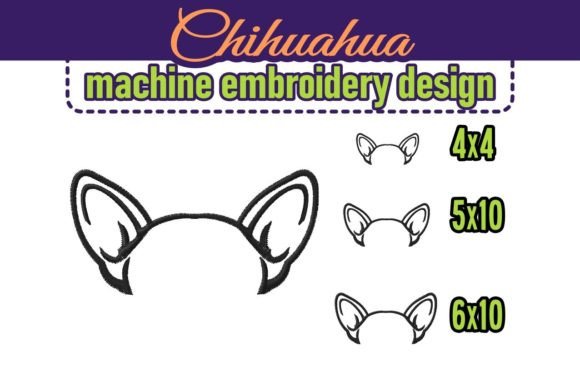
The moment I pulled up the preview for Chihuahua Dog Ears, the vibe was immediately clear. It captures that specific, quirky joy associated with the breed without leaning too hard into caricature. The inclusion of both neutral and smiling facial expressions gives this embroidery file versatility that many single-expression designs lack. Visually, the layout feels balanced. The ears, which are obviously the focal point given the title, appear to have enough definition to stand out without requiring an excessive number of color changes that might frustrate a production run.
For designers, the "visual personality" of a file dictates where it lives. This design feels at home in casual, lifestyle-oriented projects rather than formal or corporate branding. It has a handmade warmth that suggests comfort and fun. When evaluating the shape and detail level, my initial thought was that this would translate beautifully into a satin stitch outline with soft fill stitch interiors, provided the digitizer managed the transitions well. The key here is avoiding that "blobby" look that happens when small details merge together on textured fabrics.
Real-World Application: The Tote Bag Test Case
To truly gauge the potential of Chihuahua Dog Ears, I imagined a specific real-life scenario: a custom order for a local boutique selling eco-friendly tote bags. The client wanted a series of dog-themed bags for a spring collection. This is a perfect use case because tote bags usually offer a flat, stable surface, but the canvas texture can be tricky.
If I were stitching this onto a heavy cotton canvas tote bag design, the first thing I would check is the stitch density. If the design is too dense, the fabric will pucker around the edges of the Chihuahua's ears, ruining the clean lines. However, if the density is appropriate, the contrast between the thread and the natural canvas could create a stunning, high-end look. I can picture this working exceptionally well as an embroidered patch applied to the bag, allowing the customer to remove it later if they wish, or stitching it directly for a permanent fixture.
Beyond bags, this design screams custom apparel. Imagine it on the left chest of a heather grey sweatshirt. The sweatshirt embroidery market is huge right now, and pet owners love wearing their affection on their sleeves—literally. The neutral expression option allows for a more understated, everyday look, while the smiling version fits perfectly for holiday embroidery gifts or birthday surprises. For an Etsy seller, offering this as a personalized addition to a baby onesie (baby embroidery) could be a significant revenue driver, provided the scale is adjusted correctly for such a small garment.
Technical Considerations and Fabric Challenges
While the aesthetic appeal is strong, practical application requires caution. Not every surface is friendly to detailed digitizing. Here is where you need to exercise professional judgment before hitting start:
- Fabric Texture: On looped towels or thick terrycloth, fine details in the Chihuahua's face might get lost. This design likely shines best on smooth wovens or tight-knit jerseys.
- Stretchy Materials: If you are applying this to a stretchy t-shirt, your choice of stabilizer is critical. Without a proper cut-away stabilizer, the movement of the fabric could distort the ears over time, making the dog look warped after a few washes.
- Dark Fabrics: Always check the thread colors against your background. If the design relies on light threads for the face, stitching on a black hoodie might require a white underlay or even an applique approach to prevent the dark fabric from showing through the stitches.
- Curved Surfaces: While possible on caps, the curvature of a front panel can compress the design vertically. Ensure the hoop size you select accommodates the frame without crushing the image.
Impact on Brand and Customer Perception
In the world of craft business and handmade goods, consistency is trust. Using a high-quality design like Chihuahua Dog Ears contributes to the perceived value of your finished product. Customers can tell the difference between a crisp, well-digitized image and one that looks jagged or poorly planned. When a buyer receives a pillow cover or apron with clean stitching and clear features, it reinforces their trust in your brand.
Furthermore, the emotional connection people have with dogs means this design has high "giftability." It is not just a decoration; it is a statement of love for a specific breed. For small shop products, this emotional resonance drives engagement. Whether you are creating printable mockups for your online store or photographing the actual handmade product, the charm of the Chihuahua draws the eye. It serves as an excellent asset for building a cohesive collection of dog-loving merchandise.
Designer Notes for Commercial Use
Before you list this as a digital embroidery file or use it for commercial embroidery projects, there are several steps you must take to ensure professional results:
- Test on Scrap: Never run a new design on final inventory. Stitch it out on the exact fabric you plan to sell to check for puckering or thread breaks.
- Check Licensing: The description mentions unleashing creativity, but always confirm the specific license terms. Can you sell the stitched item? Can you sell the file itself? Clarify this to avoid legal issues.
- Review Small Details: Zoom in on the eyes and ear tips. If these areas are too small for your machine's needle capability, you may need to simplify the file or increase the size.
- Contrast Check: View your design in black and white. If the details disappear in grayscale, the contrast might be too low for certain fabric combinations.
- Stabilizer Match: Match your stabilizer to the fabric weight. A heavy design on a light shirt needs serious support.
Ultimately, Chihuahua Dog Ears appears to be a versatile and charming addition to any designer's library. It bridges the gap between whimsical hobby stitching and viable commercial products. By respecting the technical limitations of your materials and understanding the emotional appeal of the subject, you can turn this simple embroidery project into a standout piece that customers will cherish. Just remember, the magic lies not just in the file, but in the execution.